
We're Here to Assist You
Scorpion Prevention: A Recent Home Visit & What I Told the Homeowner
Category: Holiday
Published: 06 October, 2026
By Steven, Owner of Arsenal Pest Control
What I Walked Into
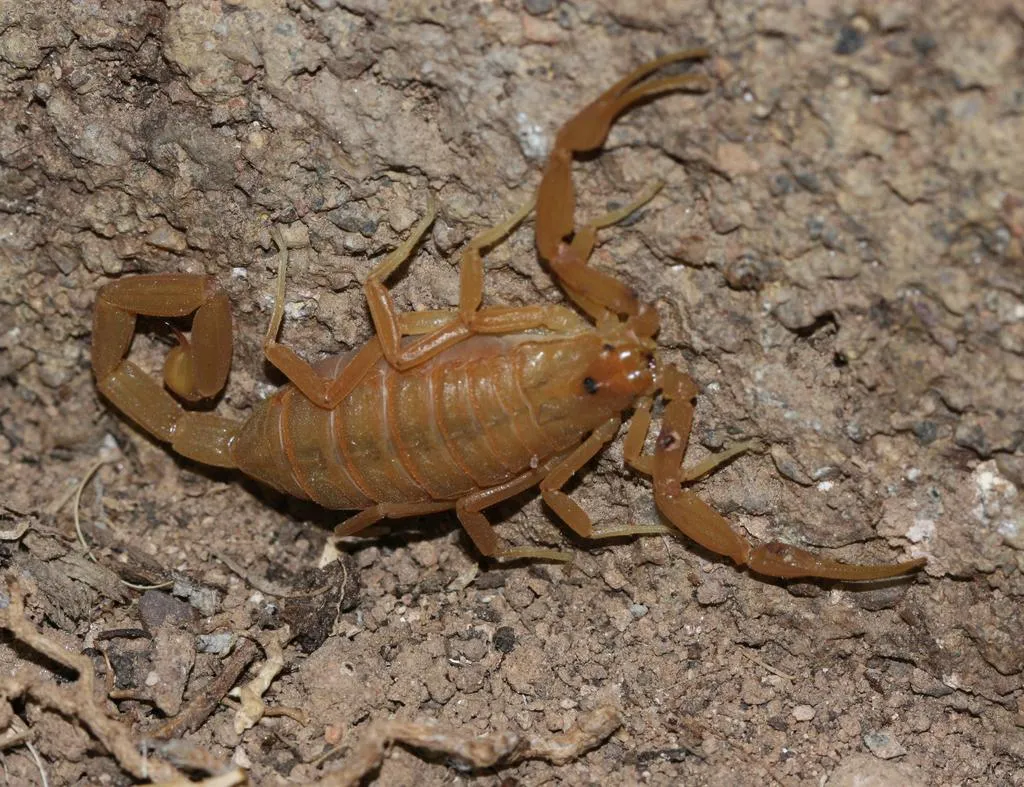
Earlier this month, I received a call from a homeowner in Southeast Phoenix who had found two scorpions near the sliding patio door within the same week.
The first scorpion was outside, so the homeowner did not think much of it. A few nights later, another one appeared inside the house. That was when they decided to call me.
When I arrived, the home looked clean and well maintained. The patio was tidy, the landscaping was trimmed, and there were no large piles of debris against the house.
At first glance, there was no obvious reason for scorpions to be getting inside.
I started my inspection near the patio door where both sightings had occurred. Along the bottom corner of the frame, I found a small gap where the weather stripping had started to wear down.
It did not look like much, but it was large enough for a scorpion to squeeze through.
That was only the beginning of what I found.

The Problem
The backyard had a concrete block wall, decorative rocks, an irrigation box, and several plants near the house.
These are common features around homes throughout Southeast Phoenix, but they can also provide excellent hiding places for scorpions.
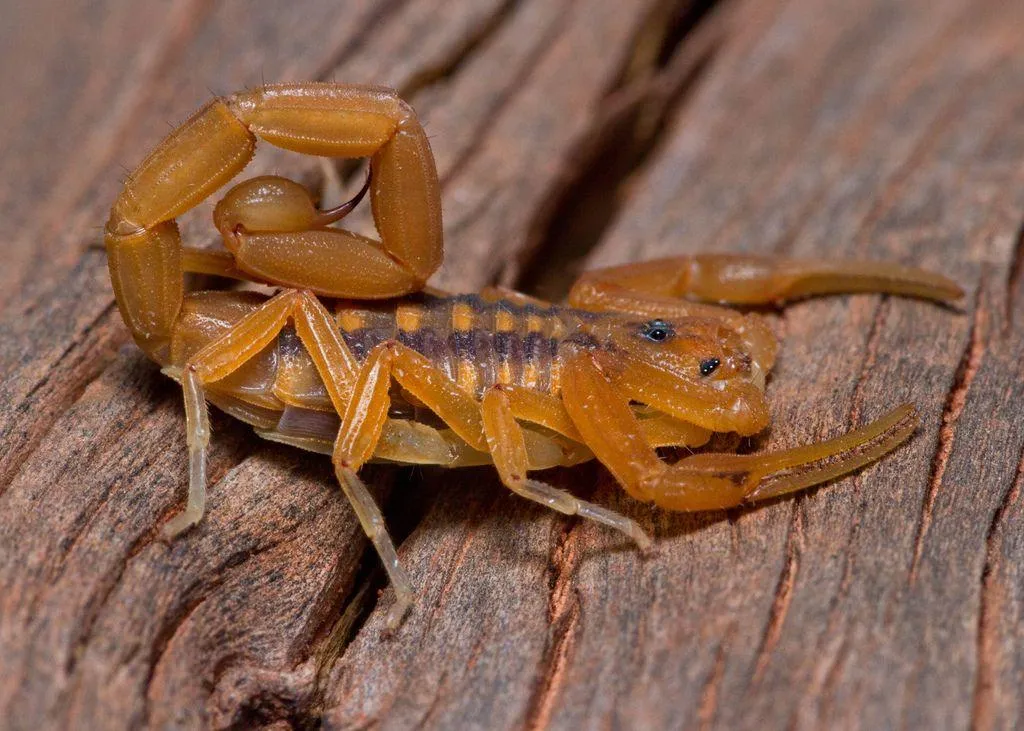
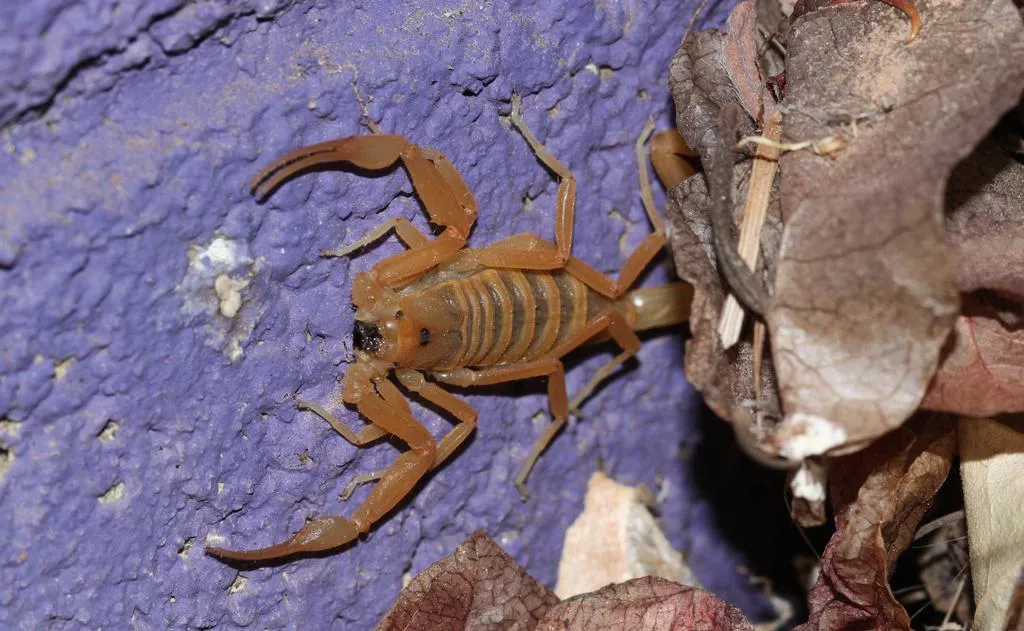
During the day, scorpions usually remain hidden in dark and protected spaces. They may shelter inside block walls, underneath rocks, behind tree bark, around utility boxes, or inside small cracks around the home.
Once the sun goes down, they become active and begin searching for insects.
I also noticed cricket activity near the patio and garage. Crickets are a common food source for scorpions, so their presence can help support scorpion activity around a property.
The homeowner had sprayed the patio after seeing the first scorpion. However, spraying the visible area did not address the hiding places, entry points, or other insects attracting scorpions to the home.
That is why the problem continued.
The Process
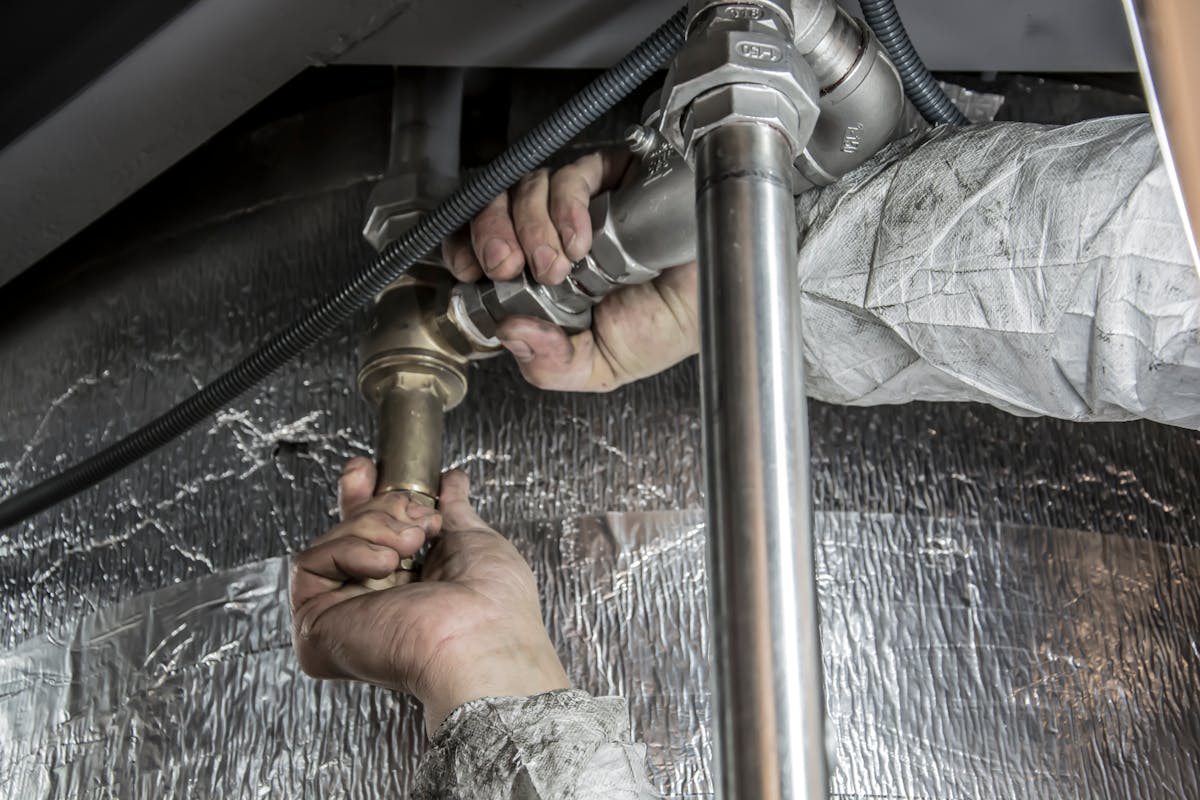
I began with a careful inspection of the exterior perimeter, paying close attention to the patio door, garage, foundation, block wall, irrigation areas, and utility openings.
I checked the places where scorpions were most likely to hide during the day. Around the block wall, I found several narrow openings and protected areas that could provide shelter.
The next step was addressing the conditions contributing to the activity.
I treated the appropriate exterior areas where scorpions and their insect prey were likely to travel or hide. I focused on cracks, crevices, and protected areas around the patio and garage instead of relying on a simple broad spray.
I also explained that controlling crickets and other insects was important. If a property continues to provide food, water, and shelter, scorpions may continue returning.
Finally, I showed the homeowner the worn section beneath the patio door and recommended replacing the weather stripping. I also pointed out a few small openings around the utility lines that could be sealed.
Scorpion control usually works best when treatment and prevention are handled together. Treatment helps reduce the current activity, while sealing entry points makes it more difficult for new scorpions to enter.
The Outcome
After the service, the homeowner replaced the damaged weather stripping and sealed the utility openings we had identified.
They also moved several stored items away from the garage wall and began checking the patio area at night with a UV flashlight.
During the follow-up, the homeowner told me they had not found another scorpion inside the house.
That is always the goal. I do not want to treat only the scorpion someone happened to see. I want to understand why it was there and reduce the conditions that allowed it to reach the home.
In this case, there was not one major cause. It was a combination of a small door gap, nearby hiding places, and insect activity around the patio.
Those small details made the difference.

DIY Advice
One of the first things I tell homeowners is to check the door sweeps and weather stripping around exterior doors. Even a small gap can give a scorpion enough room to enter. It is also worth checking around utility lines, pipes, vents, windows, and door frames for openings that may need to be sealed.
Around the yard, try to keep boxes, unused pots, wood, and landscaping materials away from the exterior walls. Plants and tree branches should also be trimmed so they are not touching the house. These areas can provide scorpions with shelter and an easier path toward the building.
I also recommend keeping crickets and other insects under control because they provide food for scorpions. Be careful with shoes, towels, gloves, pool equipment, and children’s toys left outside, and always check them before bringing them indoors.
If you want to inspect your property after dark, a UV flashlight can make scorpions easier to spot. Just avoid reaching into irrigation boxes, rock piles, block-wall openings, or other dark spaces with your hands.
These steps can help reduce the risk, but repeated sightings inside the home usually mean the property needs a more complete inspection.
"It's brighter than before!"
— Megan
Professional Insight
One thing I regularly explain to homeowners is that seeing one scorpion indoors does not always mean there is a large infestation inside the house.
It may have entered through a small opening while searching for food, water, or shelter.
However, finding multiple scorpions within a short period can be a sign that there is consistent activity close to the structure. Block walls, irrigated landscaping, rock features, and insect populations can all contribute to the problem.
October is also a month when Southeast Phoenix homeowners should not assume scorpion season is already over. Temperatures may be starting to change, but our evenings can still be warm enough for scorpions to remain active.
The most effective approach is usually a combination of inspection, targeted treatment, pest-proofing, and controlling the insects scorpions feed on.
Spraying the scorpion you see only deals with that one scorpion. A proper inspection helps uncover the reason it reached your home in the first place.
Closing Thoughts
This recent visit was a good reminder that scorpion problems often begin with very small details—a worn door sweep, a narrow utility gap, a few crickets near the patio, or an opening in a block wall.
If you have noticed scorpions around your home or found even one inside, do not wait for another sighting before checking the property.
I’m always happy to take a proper look, explain what I find, and help you determine the right next step for your home.
- Steven - Owner - Arsenal Exterminating

Services
Address
21467 E Sunset Dr, Queen Creek, AZ 85142, United States
Contact Us
Call: +1 480-319-6735
© 2026 Arsenal Pest Control. All Rights Reserved.